Living in Florida means embracing the sunshine, but it also comes with challenges like high humidity, frequent rain, and salty coastal air. If you’re a homeowner in Palm Beach Gardens, you’ve likely seen how these elements can wreak havoc on your flooring and walls. Tiles that crack, warp, or grow mold aren’t just unsightly—they’re a safety hazard and a drain on your wallet. At Port Orange Tile Installer, we’ve helped countless residents battle these issues with smart tile choices that stand the test of time. In this guide, we’ll walk you through everything you need to know about selecting durable tiles tailored for Florida’s tough climate. Whether you’re renovating your kitchen, bathroom, or outdoor patio, these tips will ensure your investment lasts.
Understanding Florida’s Unique Climate Challenges
Florida’s subtropical climate is a double-edged sword. With average humidity levels often exceeding 70% and temperatures soaring above 90°F in summer, moisture is your tiles’ worst enemy. In Palm Beach Gardens, proximity to the ocean adds salt spray and occasional hurricanes to the mix, accelerating wear and tear.
The Impact of Humidity on Tiles
High humidity promotes mold growth, especially in grout lines, and can cause porous materials to absorb water, leading to expansion and cracking. Non-porous tiles fare better, but even they need proper sealing to resist efflorescence—a white, powdery residue from mineral salts leaching out.
Salt and UV Exposure in Coastal Areas
For homes near Palm Beach Gardens’ beaches, salt corrosion is a real concern. It etches surfaces and weakens adhesives. UV rays from intense sun can fade colors and brittle sealants, so durability isn’t just about water resistance—it’s about all-around resilience.
Key Factors to Consider When Choosing Tiles
Not all tiles are created equal. To thrive in Florida’s humidity, focus on these essential factors. We’ll break them down with practical advice to help you make informed decisions.
Material Selection: Go for Low-Porosity Options
Porosity is the biggest determinant of durability in humid environments. Opt for tiles with low water absorption rates, ideally under 0.5%.
- Porcelain Tiles: Fired at high temperatures, these are dense and non-porous, making them ideal for bathrooms and kitchens. They’re frost-resistant too, perfect if you have outdoor patio tiling needs in Palm Beach Gardens.
- Ceramic Tiles: A budget-friendly choice, but choose glazed versions for better moisture resistance. Avoid unglazed ones in high-humidity spots.
- Natural Stone: Materials like marble or travertine look stunning but are porous. For durability, consider honed and sealed options. If you’re eyeing natural stone tiling, our experts at Port Orange Tile Installer recommend professional sealing to combat Florida’s moisture.
Pro Tip: Always check the tile’s PEI rating (Porcelain Enamel Institute) for wear resistance. A rating of 3 or higher suits high-traffic areas like entryways.
Size and Thickness for Stability
Larger tiles (12×24 inches or bigger) mean fewer grout lines, reducing moisture entry points. Thicker tiles (at least 8mm) provide better structural integrity against humidity-induced swelling.
In Palm Beach Gardens homes, where open floor plans are popular, large-format porcelain can create a seamless, modern look while minimizing maintenance.
Grout and Sealing: The Unsung Heroes
Even the best tiles fail without proper grout and sealing. Epoxy grout is superior in humid climates—it’s waterproof, stain-resistant, and flexible to handle minor shifts from temperature changes.
After installation, apply a high-quality sealer every 1-2 years. For existing setups showing wear, our grout cleaning and sealing services can revive your tiles and extend their life.
Practical Tips for Installation and Maintenance
Choosing the right tiles is half the battle; installation and upkeep seal the deal.
Professional Installation Matters
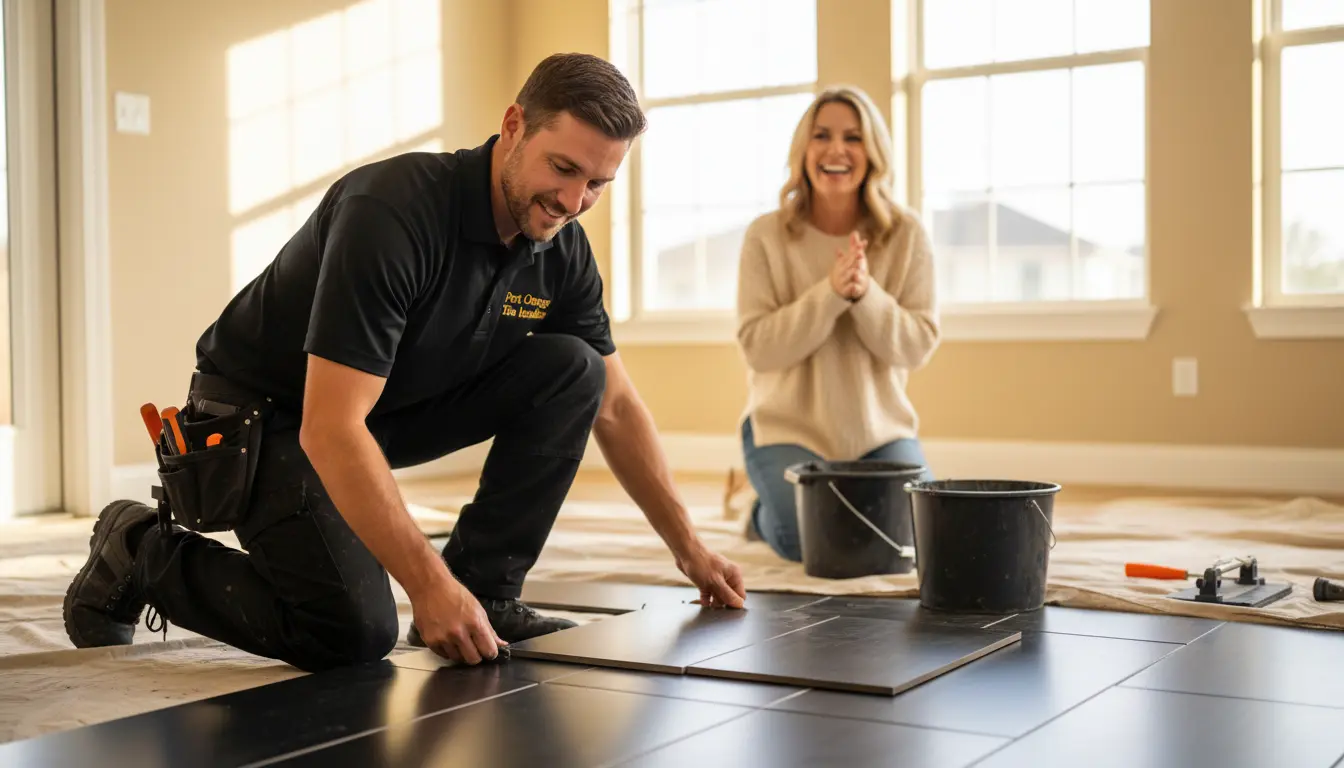
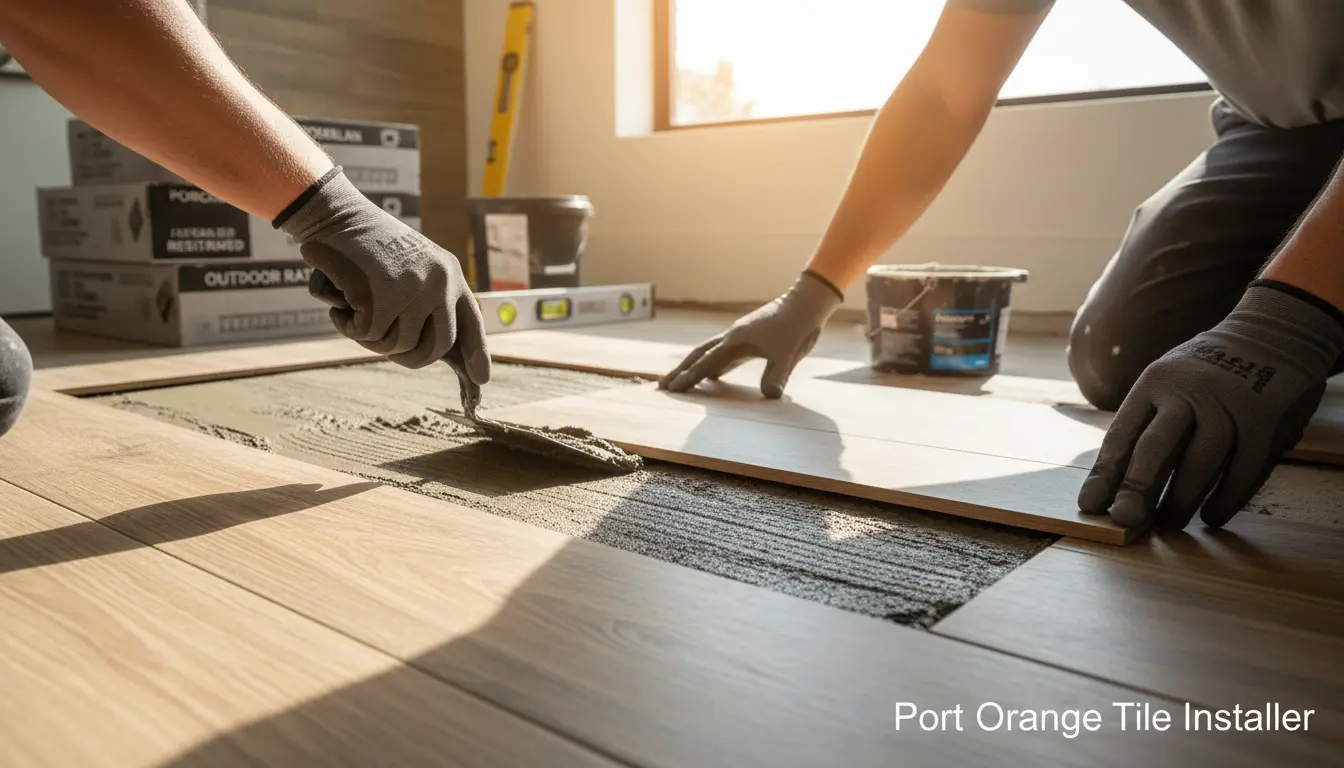
DIY might save money short-term, but in Florida’s climate, precision is key. Improper subfloor prep can lead to moisture trapping underneath. At Port Orange Tile Installer, we use vapor barriers and ensure proper slope in wet areas to prevent water pooling.
If you’re updating an older home in nearby Wellington, consider our tile demolition and removal services first for a clean slate.
Maintenance Routines for Longevity
- Sweep daily to remove sand from coastal breezes.
- Use pH-neutral cleaners; avoid acids that degrade grout.
- For custom designs, like intricate custom mosaic designs, gentle wiping prevents damage to detailed patterns.
- Monitor for cracks and reseal promptly—humidity accelerates deterioration.
In Palm Beach Gardens’ rainy season, quick drying after spills is crucial to avoid slip hazards and mold.
Budgeting for Durability
Durable tiles cost more upfront (porcelain averages $5-15 per sq ft), but they save on replacements. Factor in installation ($4-8 per sq ft) and sealing. For value, balance aesthetics with performance—think timeless neutrals that hide salt stains.
Local Insights: Tiles That Work in Palm Beach Gardens
Palm Beach Gardens’ lush, tropical vibe calls for tiles that complement indoor-outdoor living. Residents here often deal with poolside patios and lanais exposed to humidity. We’ve installed humidity-resistant porcelain in many Manalapan luxury homes, blending seamlessly with natural surroundings.
For coastal properties in Lantana, salt-tolerant glazed ceramics prevent corrosion. If you’re in Mirasol, our team can assess your specific microclimate for tailored recommendations.
FAQ: Common Questions About Durable Tiles in Florida
1. What tiles are best for Florida bathrooms?
Porcelain or glass tiles excel due to their non-porous nature. They resist mold and are easy to clean, ideal for steamy showers.
2. How often should I reseal tiles in a humid climate?
Every 12-24 months, depending on exposure. High-traffic areas like kitchens need it more frequently.
3. Can I use natural stone outdoors in Florida?
Yes, but only sealed varieties like granite. Avoid limestone, which is too porous for humidity and rain.
4. What’s the difference between porcelain and ceramic for humidity?
Porcelain is denser and less absorbent, making it superior for wet areas. Ceramic works well if glazed.
5. How do I know if my tiles are humidity-damaged?
Look for discoloration, cracking, or soft grout. Early signs include efflorescence or persistent dampness.
Conclusion: Protect Your Home with Expert Tile Choices
Navigating Florida’s humid climate doesn’t have to be overwhelming. By prioritizing low-porosity materials, proper installation, and regular maintenance, you can enjoy beautiful, durable tiles for years. At Port Orange Tile Installer, serving Palm Beach Gardens and beyond, we’re passionate about creating resilient spaces that enhance your lifestyle.
Ready to upgrade? Contact us today for a free consultation and let our experts guide you to the perfect tiles. Don’t let humidity win—transform your home with tiles built to last! (1,248 words)