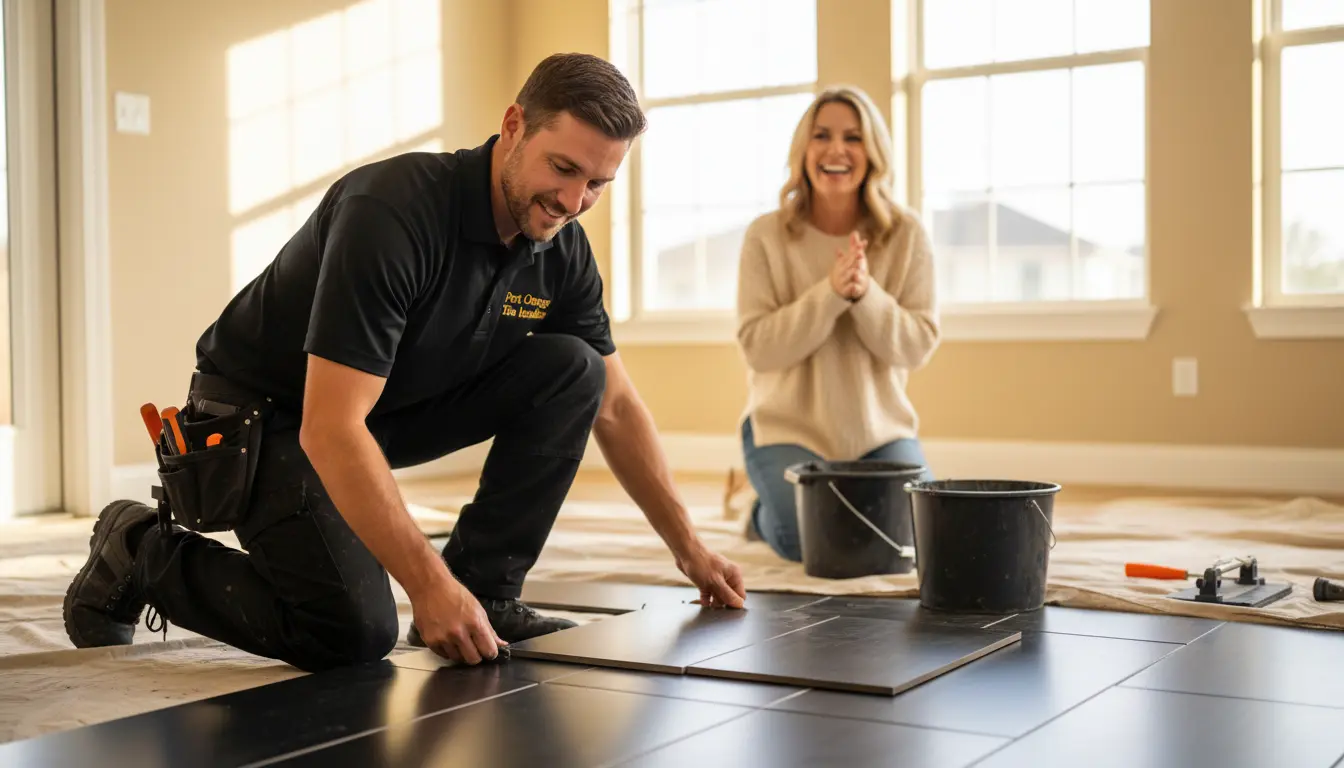
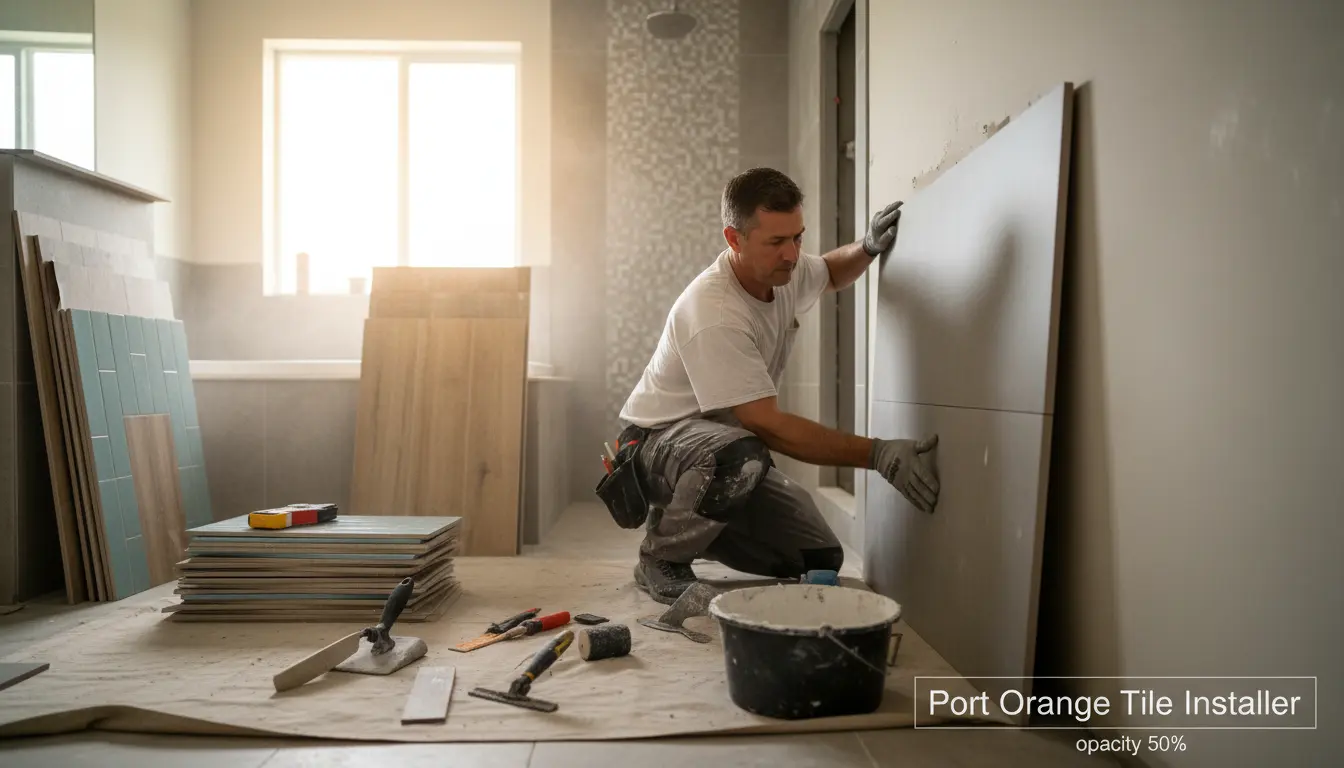
Imagine stepping into your Palm Beach Gardens home after a steamy South Florida afternoon, only to find your beautiful tiled floors resisting the humidity and looking as pristine as the day they were installed. In a region like ours, where coastal breezes mix with relentless sun and moisture, choosing the right tile is more than aesthetics—it’s about longevity and low maintenance. As the go-to experts at Port Orange Tile Installer, we’ve helped countless homeowners in Palm Beach Gardens and surrounding areas navigate the porcelain vs ceramic debate. This ultimate guide breaks it down, offering practical insights tailored to our local lifestyle.
Whether you’re remodeling a kitchen in Abacoa or updating a bathroom in Wellington, understanding these materials can save you time, money, and headaches. Let’s dive in.
What Are Ceramic Tiles?
Ceramic tiles have been a staple in home design for decades, prized for their versatility and affordability. Made primarily from clay, these tiles are fired at lower temperatures (around 1,000°C) compared to their porcelain counterparts. The result? A porous yet durable surface that’s easy to customize.
In South Florida, ceramic tiles shine in indoor applications where extreme weather isn’t a direct factor. For instance, in the cozy interiors of homes in Riviera Beach, ceramic’s wide range of colors and patterns allows for creative tile pattern layouts that complement tropical decor.
Key Characteristics of Ceramic Tiles
- Composition: Natural clay mixed with water, shaped, and glazed.
- Thickness: Typically 1/4 to 3/8 inches.
- Finish Options: Glazed for shine or unglazed for a matte look.
Practical tip: If you’re eyeing ceramic for a high-traffic area like a family room in Lake Park, opt for a higher PEI rating (Porcelain Enamel Institute) of 3 or above to ensure it withstands daily wear.
What Are Porcelain Tiles?
Porcelain tiles take it up a notch, crafted from refined clay and minerals, then fired at intensely high temperatures (over 1,200°C). This process creates a denser, less porous tile that’s virtually impervious to water and stains—perfect for South Florida’s unpredictable showers.
At Port Orange Tile Installer, we often recommend porcelain for outdoor patios in Palm Beach Gardens, where it holds up against salt air and UV exposure without fading. Its strength makes it ideal for commercial tile installations in local businesses facing heavy foot traffic.
Key Characteristics of Porcelain Tiles
- Composition: Finer clay particles for uniformity.
- Thickness: Usually 3/8 inch or more, adding to its robustness.
- Variety: Available in polished, matte, or textured finishes to mimic stone or wood.
Actionable advice: For a seamless look in your Evergrene residence, choose large-format porcelain slabs to minimize grout lines, reducing areas where moisture can seep in during our humid summers.
Key Differences Between Porcelain and Ceramic Tiles
The choice between porcelain and ceramic often boils down to your specific needs in South Florida’s environment. Here’s a head-to-head comparison to help you decide.
Durability and Strength
Porcelain wins hands-down in durability. Its high firing temperature results in a tile that’s up to four times denser than ceramic, making it less prone to cracking under pressure. In Palm Beach Gardens, where homes endure everything from hurricane-force winds to everyday impacts, porcelain’s edge is invaluable.
Ceramic, while tough, can chip more easily if not handled carefully during tile demolition and removal in older homes. Tip: Always hire professionals like our team at Port Orange Tile Installer to assess your subfloor before installation to prevent future issues.
Water Resistance and Porosity
South Florida’s humidity and frequent rains demand tiles that resist water absorption. Porcelain absorbs less than 0.5% water, compared to ceramic’s 3-7%. This makes porcelain the superior choice for wet areas like showers or pool surrounds in Wellington neighborhoods.
For ceramic, sealing is crucial. We advise applying a quality sealant post-installation, especially in moisture-prone spots, to extend its life. Pro tip: Schedule regular grout cleaning and sealing to maintain both types’ integrity against mold growth in our tropical climate.
Cost Comparison
Budget plays a big role. Ceramic tiles are generally more affordable, ranging from $1 to $5 per square foot, making them accessible for large projects like kitchen backsplash installations in Riviera Beach kitchens.
Porcelain costs $2 to $10 per square foot but offers better long-term value through reduced repairs. In Palm Beach Gardens, where property values are high, investing in porcelain can boost your home’s resale appeal. Advice: Factor in installation costs—porcelain requires precise cutting due to its hardness, so professional help pays off.
Aesthetics and Design Flexibility
Both offer stunning visuals, but porcelain’s density allows for through-body coloring, meaning edges match the surface even if chipped. Ceramic relies on glazing, which can wear over time.
In Abacoa modern homes, porcelain’s ability to replicate natural stone provides a luxurious feel without the upkeep. For eclectic Lake Park spaces, ceramic’s bold glazes add personality. Local insight: Pair either with native Florida-inspired designs to blend indoor-outdoor living seamlessly.
Pros and Cons in South Florida’s Climate
Our region’s heat, humidity, and salt exposure amplify the differences.
Porcelain Pros: Exceptional resistance to moisture and fading; ideal for coastal Palm Beach Gardens patios. Low maintenance suits busy lifestyles.
Porcelain Cons: Higher upfront cost; harder to cut, potentially increasing labor fees.
Ceramic Pros: Budget-friendly; vast color options for creative tile pattern layouts.
Ceramic Cons: More susceptible to stains in humid environments; may require frequent resealing.
Practical tip: Test samples in your home’s lighting—South Florida’s bright sun can alter perceived colors. Visit our showroom to see how they perform.
Best Uses for Each in Palm Beach Gardens Homes
Tailor your choice to the space. For indoor dry areas like living rooms in Evergrene, ceramic provides ample beauty at a lower price. Switch to porcelain for bathrooms or kitchens in Wellington, where spills and steam are common.
Outdoor applications? Porcelain all the way for pool decks in Riviera Beach, ensuring slip resistance and fade-proof color. In commercial settings like Lake Park offices, porcelain’s durability supports high-traffic demands.
Actionable advice: Consider hybrid approaches—ceramic walls with porcelain floors for balanced cost and performance. Our experts can guide a custom plan.
Installation Tips from Port Orange Tile Installer
Proper installation is key to longevity. Start with a stable subfloor; uneven surfaces lead to cracks, especially with rigid porcelain.
For ceramic, thin-set mortar works well, but porcelain needs a modified adhesive for better bonding. In Palm Beach Gardens’ sandy soils, ensure proper expansion joints to handle settling.
Tip: Use leveling systems for large tiles to avoid lippage. Post-install, avoid heavy traffic for 24-72 hours. For intricate designs, trust our tile pattern layout services to achieve perfection.
Local note: Hurricane season means securing installations against wind—porcelain’s weight adds stability.
FAQ: Porcelain vs Ceramic Tiles
Which is better for outdoor use in South Florida?
Porcelain is the clear winner due to its low porosity and weather resistance, perfect for Palm Beach Gardens patios.
Can ceramic tiles be used in wet areas?
Yes, but with proper sealing and installation. For high-moisture spots, porcelain is safer.
How do I maintain these tiles?
Sweep regularly and mop with pH-neutral cleaners. Schedule grout cleaning and sealing annually to combat humidity.
Is porcelain more expensive to install?
Slightly, due to cutting challenges, but its durability offsets costs over time.
Where can I see samples in Palm Beach Gardens?
Contact Port Orange Tile Installer for a consultation—we serve areas like Abacoa and Wellington with expert advice.
Conclusion: Choose Wisely for Your South Florida Home
In the end, porcelain edges out ceramic for South Florida’s demanding conditions, offering unmatched durability and style for Palm Beach Gardens living. Yet, ceramic remains a fantastic, cost-effective option for less exposed areas. At Port Orange Tile Installer, we’re passionate about helping you select and install the perfect tiles to enhance your home’s beauty and value.
Ready to transform your space? Contact us today for a free quote and personalized guidance. Let’s make your floors as resilient as Florida itself.