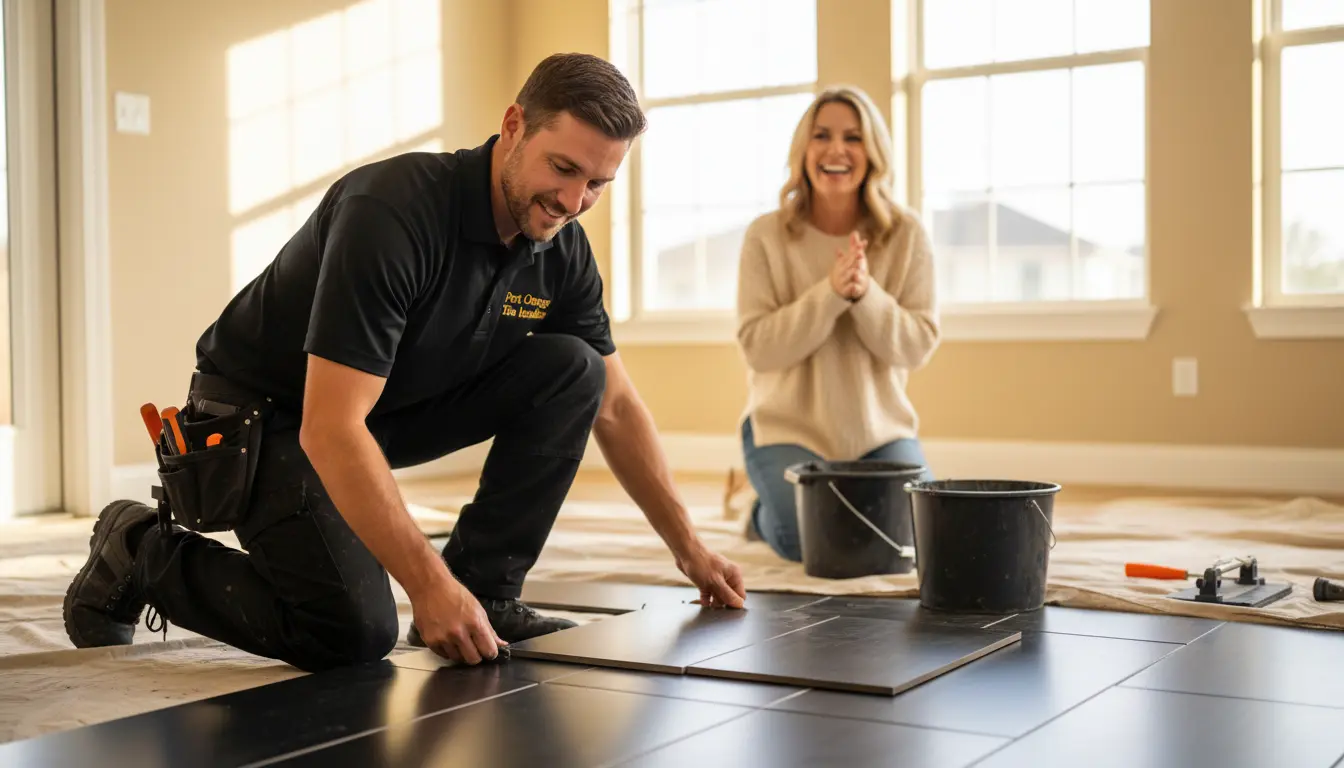
As the sun rises over the coastal homes of New Smyrna Beach, a tile installer’s work is already underway, meticulously laying the foundation for a beautiful and durable floor that will withstand the region’s humid climate. The quiet confidence of a professional tile installer is rooted in their understanding of the intricate dance between tile, mortar, and substrate, a harmony that ensures the structural integrity and aesthetic appeal of the final product. In New Smyrna Beach, where the ocean breeze carries the whispers of a timeless elegance, the art of tile installation is not just about laying tiles, but about crafting a lasting impression that resonates with the essence of the location.
The importance of precision-engineered tile work in New Smyrna Beach cannot be overstated. The unique combination of coastal humidity, sandy soil, and prevalent residential architectural styles demands a deep understanding of the technical aspects of tile installation. A professional tile installer near New Smyrna Beach must be well-versed in the nuances of moisture management, substrate preparation, and the selection of materials that can withstand the harsh marine environment. It is this specialized knowledge that sets apart a true craftsman from a mere technician, and it is what homeowners in New Smyrna Beach should look for when selecting a tile installer.
In the heart of this picturesque city, Port Orange Tile Installer stands as a beacon of excellence, a company that has earned its reputation through a commitment to the highest standards of quality, craftsmanship, and customer satisfaction. With a team of certified senior tile and stone specialists, Port Orange Tile Installer brings a level of expertise that is unparalleled in the region, ensuring that every project, from the simplest to the most complex, receives the meticulous attention to detail that it deserves. Whether it’s a new construction, a renovation, or a restoration, the professionals at Port Orange Tile Installer are dedicated to delivering surfaces that are not only visually stunning but also durable and long-lasting.
Technical Process
The process of tile installation is often misunderstood as a simplistic task, but in reality, it involves a complex series of steps that require precision, patience, and a deep understanding of the materials and techniques involved. It begins with substrate preparation and leveling, a critical phase that determines the overall success of the project. This is followed by waterproofing and crack isolation, measures that are essential in a humid climate like New Smyrna Beach to prevent water damage and ensure the longevity of the tile. The layout engineering phase is where the aesthetic vision of the project begins to take shape, with careful planning and execution to achieve the desired pattern and design.
The application of mortar and the laying of tiles are perhaps the most recognizable aspects of tile installation, yet they require a level of skill and attention to detail that is often underappreciated. The choice of mortar, for instance, must be tailored to the specific requirements of the project, taking into account factors such as the type of tile, the substrate, and the environmental conditions. Similarly, the grouting process, which follows the laying of tiles, must be executed with precision to ensure that the joints are properly filled and sealed, preventing moisture from penetrating the surface and causing damage over time.
Data Comparison
When considering tile installation, one of the most common dilemmas homeowners face is the choice between different types of tile. Two popular options are ceramic and porcelain tiles, each with its unique characteristics, advantages, and disadvantages. The following comparison highlights some of the key differences between these two types of tiles:
| Feature/Metric | Ceramic Tile | Porcelain Tile |
|---|---|---|
| Porosity Rating | 0.5% | 0.1% |
| Flexural Strength | 2000 psi | 4000 psi |
| Maintenance Load | Medium | Low |
Source: TCNA Handbook for Ceramic, Glass, and Stone Tile Installation
Expert Insights
For those looking to achieve a truly professional finish, there are several advanced tips and techniques worth considering. One such tip is the importance of movement joints in large-format tile layouts. These joints, which are designed to accommodate the natural expansion and contraction of the tile and substrate, are critical in preventing cracks and ensuring the long-term integrity of the surface. Another consideration is the selection of the correct slip resistance rating for tiles, especially in areas that are prone to moisture, such as bathrooms and kitchens.
Common mistakes that homeowners make when it comes to tile installation include using spot bonding techniques, failing to flood-test shower pans, and using acidic cleaners on natural stone. These mistakes can lead to a range of problems, from cracked tiles and mold growth to permanent surface etching. By avoiding these common pitfalls and instead opting for professional-grade materials and techniques, homeowners can ensure that their tile installation project turns out beautifully and lasts for years to come.
Pricing
The cost of tile installation can vary widely, depending on a range of factors including the type of tile, the complexity of the layout, and the condition of the substrate. Here are some general pricing structures to consider:
- Per square foot for labor: This is a common pricing method that takes into account the size of the area to be tiled.
- Specialized rates for intricate patterns: Patterns such as herringbone or chevron require more labor and expertise, and therefore may incur a higher cost.
- Flat fees for prep work: This can include subfloor demolition, leveling, and other preparatory work that is necessary before the tile can be laid.
Factors that influence cost include subfloor remediation for out-of-level slabs, tile material fragility, and complex layout requirements involving water-jet mosaics. By understanding these factors and planning accordingly, homeowners can better anticipate the costs associated with their tile installation project.
Safety & Standards
Safety and standards are of paramount importance in the tile installation industry. Professional tile installers must adhere to specific certifications, such as CTEF or TCNA compliance, and follow silica dust safety protocols as outlined by OSHA. The use of zero-VOC mortars and anti-microbial grout systems is also crucial in protecting indoor air quality and ensuring long-term structural safety.
FAQ
What is the difference between ceramic and porcelain tile?
Ceramic and porcelain tiles are both popular choices for flooring, but they have some key differences. Ceramic tiles are made from clay and other minerals, and are often less expensive than porcelain tiles. Porcelain tiles, on the other hand, are made from a specific type of clay that is more dense and less porous, making them more durable and resistant to moisture. While both types of tiles can be used for flooring, porcelain tiles are generally better suited for high-traffic areas and areas that are prone to moisture.
How do I maintain my tile floors?
Maintaining your tile floors is relatively easy, but it does require some regular effort. One of the most important things you can do is to sweep or vacuum your floors regularly to remove dirt and debris. You should also mop your floors periodically using a gentle cleaner and warm water. For more stubborn stains or dirt buildup, you may need to use a stronger cleaner or a steam cleaner. It’s also important to avoid using harsh chemicals or abrasive cleaners, as these can damage the tile or the grout.
Can I install tile myself, or do I need to hire a professional?
While it is possible to install tile yourself, it’s generally recommended that you hire a professional. Tile installation requires a certain level of skill and expertise, and if it’s not done correctly, it can lead to a range of problems, from uneven floors to water damage. A professional tile installer will have the training and experience necessary to ensure that your tile is installed correctly and looks great. They will also be able to handle any unexpected issues that may arise during the installation process.
How long does a typical tile installation project take?
The length of time it takes to complete a tile installation project can vary widely, depending on the size of the area to be tiled, the complexity of the layout, and the number of workers involved. On average, a small to medium-sized project can take anywhere from a few days to a week or more to complete. Larger projects, or those that involve more complex layouts or designs, can take several weeks or even months to complete.
Professional Tile Care in New Smyrna Beach
In conclusion, the art of tile installation in New Smyrna Beach is a complex and nuanced process that requires a deep understanding of the technical, aesthetic, and environmental factors at play. By choosing a professional tile installer who is knowledgeable about the unique conditions of the coastal environment, homeowners can ensure that their tile installation project turns out beautifully and lasts for years to come. At Port Orange Tile Installer, we are committed to delivering the highest level of quality, craftsmanship, and customer satisfaction, and we look forward to helping you achieve your vision for a stunning and durable tile surface.